Rails, not Guardrails
September 1, 2026




This is the story of the most expensive content policy in history.
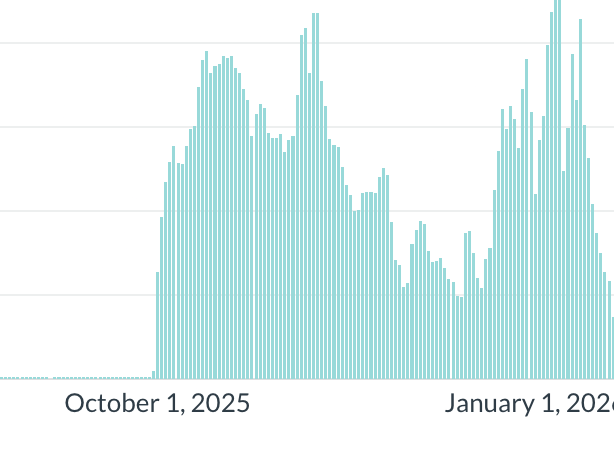
Sora’s launch was great. It was one of the more exciting things on the internet but the content that was created harmed creators, so OpenAI tightened rules with more blocked names, refused prompts and usage cratered. The recovery in the chart in December was the Disney announcement, even that tanked eventually because by April, OpenAI shut Sora down entirely. People want to generate the real world, not a facsimile of it.
The users left OpenAI but kept generating elsewhere. Users went to platforms with fewer rules and zero accountability, where nobody's likeness is safe and nobody gets paid. The harm to creators was real. The fix made nobody whole. It just pushed the same harm to platforms where nobody enforces anything. They moved the party to a worse neighborhood and turned off the porch light on the way out. Now all those platforms have joined Sora in shutting off generations of famous people, too.
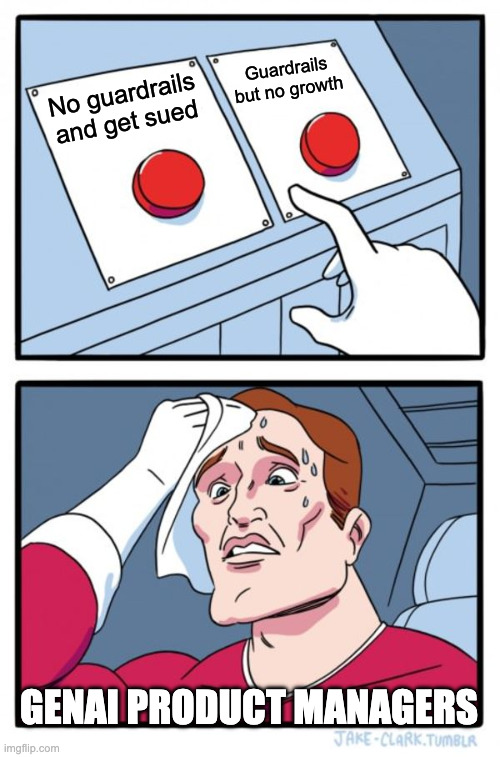
In fact, every platform in this space has a version of this chart, because every platform has been handed the same two buttons. Either let people generate real likenesses and wait for the lawsuit or block everything and watch your chart do what this chart did.

The entire industry has been standing in front of those two buttons for years, pressing them in different combinations. Smart people with billions of dollars, but fundamentally, they are just two bad buttons.
For three years we've been in the rooms on both sides of this fight, and we kept noticing that both sides were asking for the same thing and nobody had built the machine to make it work.
An agent at one of the biggest agencies in town told me she just wanted to set the rules and prices for talent so it wouldn’t jeopardize existing or future deals.
A GenAI Product Manager told me he wanted fast clearance against rules and pricing, but didn’t want to expose the model weights to a startup. They just wanted a simple way to say “can I make this prompt?”
So we built Interchange.
Loti Interchange is our love letter to both Tech and Entertainment.
To the artists who built careers we grew up watching, and to the engineers building the tools the next generation will grow up using. We made it because we believe both sides deserve to win, and because we got tired of watching everyone lose.
Interchange is NIL/IP as infrastructure.
How It Works
A GenAI platform asks Loti Interchange if it can generate a person for an image, video or voice. Our system checks talent rules we’ve been collecting for years. If the rules say yes, we attach the price talent picked and the platform pays, talent gets paid and the content gets made. All of it happens in less time than it takes to swipe a credit card.
If the rules say no, the content doesn't get made.
In fact, nobody in this system gets paid unless content gets made. Not us, not the platform, not the talent. Everyone is pointed at the same outcome: Content people actually want.
These are rails, not guardrails. It’s the best way to get thousands of famous people and brands into GenAI.
Visa figured this out for money decades ago. You tap your card, and a network you've never thought about checks whether you're allowed to spend, moves the money, and writes the receipt before your card is back in your wallet. Interchange does that for generative AI, with one addition that we also enforce what kind of content can and can't be made. Money and meaning, cleared in the same call.
Any platform can plug in within an hour. What's waiting on the other side: celebrities and brands who have already said yes, already set their prices, already written their rules. No lawyers on retainer, no eighteen-month licensing negotiations or stalemates. Talent can change prices and rules at any time.
An artist sits down with their agent and decides what's allowed. Voice, yes. Face, yes. Singing, only on these platforms. Political content, never. Children's products, never. They pick the prices. They can change their minds tomorrow. When their face lands in a prompt next to somebody else's, the strictest rule in the room wins; we don't compromise the cautious person to please the casual one.
After the content leaves the platform, our other system, Watchtower, watches the internet. Somebody breaks the rules, we take it down. The artist never has to go looking and the platform never has to police its downstream. That's our job, and we're unreasonably good at it.
None of this required new law. Right of publicity has been on the books since the 1950s. The DMCA has been working since 1998. Tennessee passed the ELVIS Act. Congress is moving the NO FAKES Act. The legal rails were laid decades ago by people who never heard the word "prompt." What was missing was plumbing, and plumbing is unglamorous, and unglamorous things don't get built by companies chasing the next demo day. It took us three years. We'd do it again.
Meanwhile the giants tried cutting deals the old way. Disney and OpenAI announced a billion-dollar partnership. The agreement never got signed, the money never moved, and Disney reportedly learned Sora was shutting down an hour before the rest of us. That's the room-deal model: one handshake, two giants, and nothing underneath it. Even when the rooms work, there are only so many of them, and they only fit the biggest names. Everyone else, every working actor, every mid-size catalog, every influencer with a real audience and no leverage, waits in the hallway. The hallway is where most of the industry lives.
The door we built doesn't care how famous you are. The rules engine treats a working voice actor the same way it treats a movie star. That's the whole point of infrastructure; roads don't check your net worth.
The Third Button
The emperor's been walking around for two years telling everyone guardrails are clothes. They never were. Tech and talent both knew it, and so did the users voting with their generations. The only people still pretending are the ones standing in front of the two buttons.
The first major video platforms are live on Interchange right now, clearing likenesses at the prompt level. Their users generate real people with permission attached, talent gets paid on every prompt, and the rules follow the content out into the world, where we enforce them.
Sora proved the demand is real. What it never had was a way to serve that demand without getting sued for it, and that gap is exactly what's being closed. The audience that wanted to generate the real world didn't disappear in April. It moved to platforms that found a third button.
Integration is an afternoon of work for one engineer, and the hard part is already done, because the talent is onboarded, the rules are written, and the prices are set. Any platform that wants in can be clearing prompts by the end of the week.
The holding pattern is over. The rails are live, and there are already platforms running on them.
.png)